inhabiting the sonic moment
Most music learning methods begin with theory: solfège, sheet music, abstract notation. They assume the child can grasp a language before they've even lived it. The result? Children who quit. Disappointed parents. Music that becomes a chore rather than a joy.
At Serclet, we chose to begin differently — with what the child's brain already knows: sensation, movement, immersion.
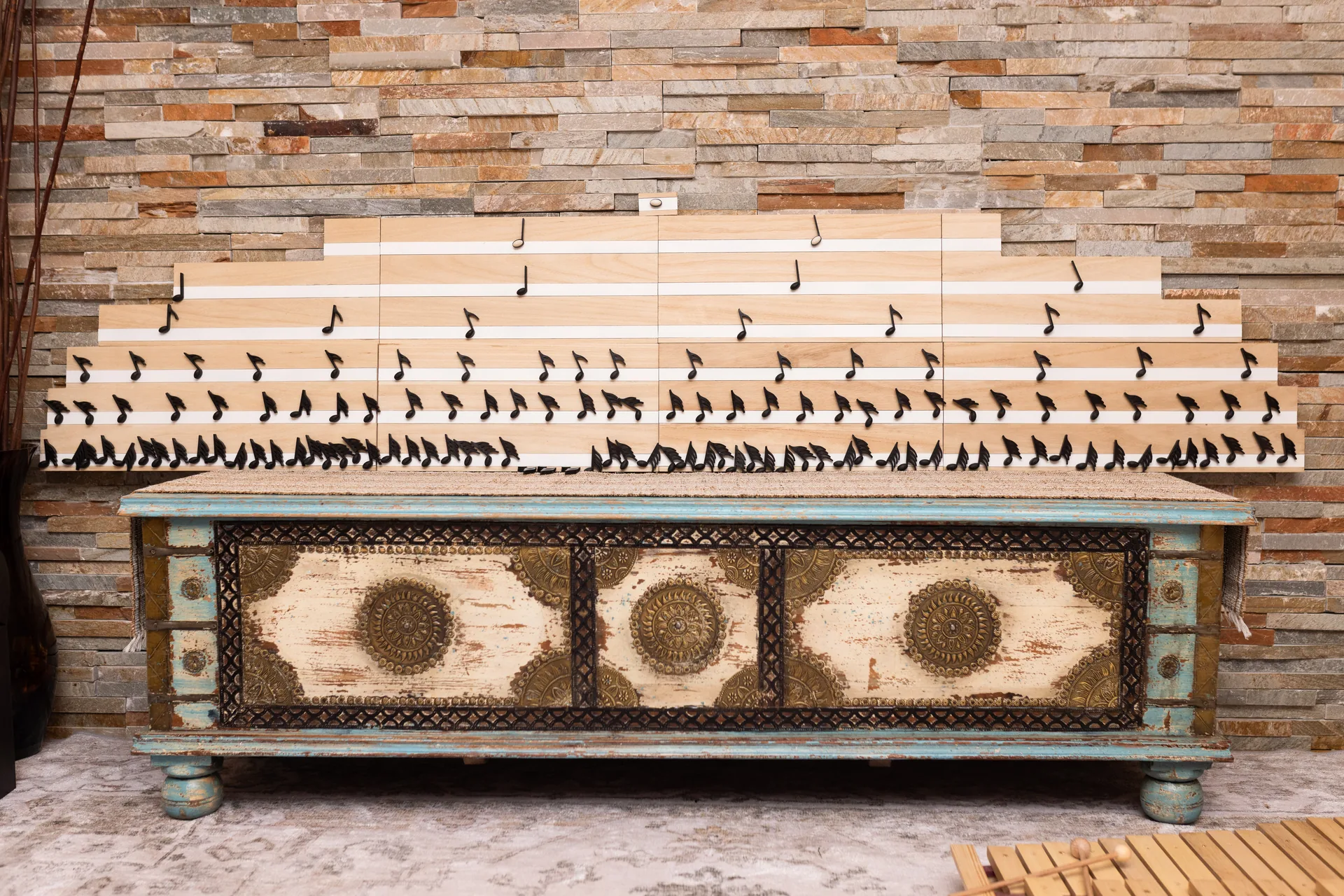
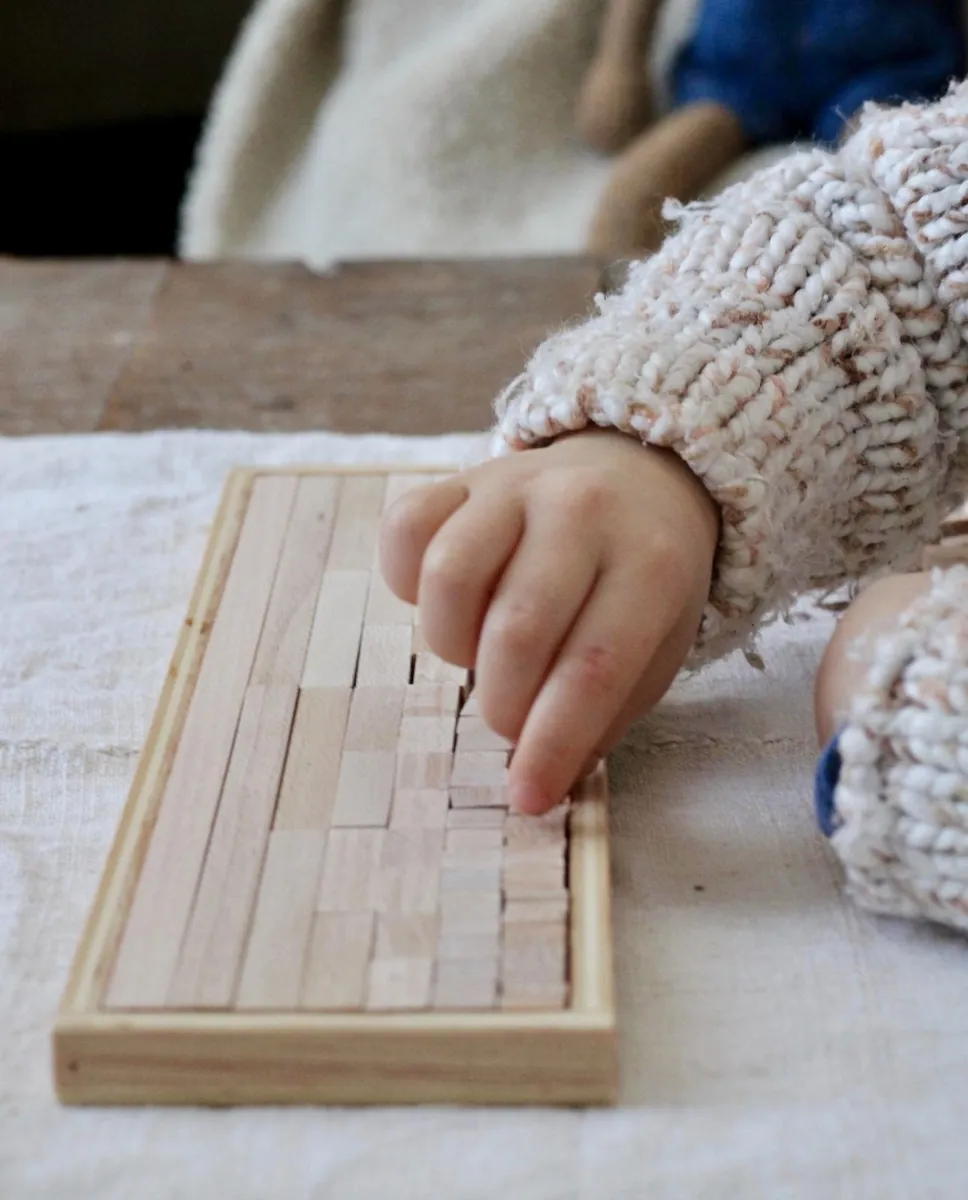
The way we learn our mother tongue — not through rules, but through repeated exposure, play, and life. Every Serclet session immerses the child in musical language before naming it.
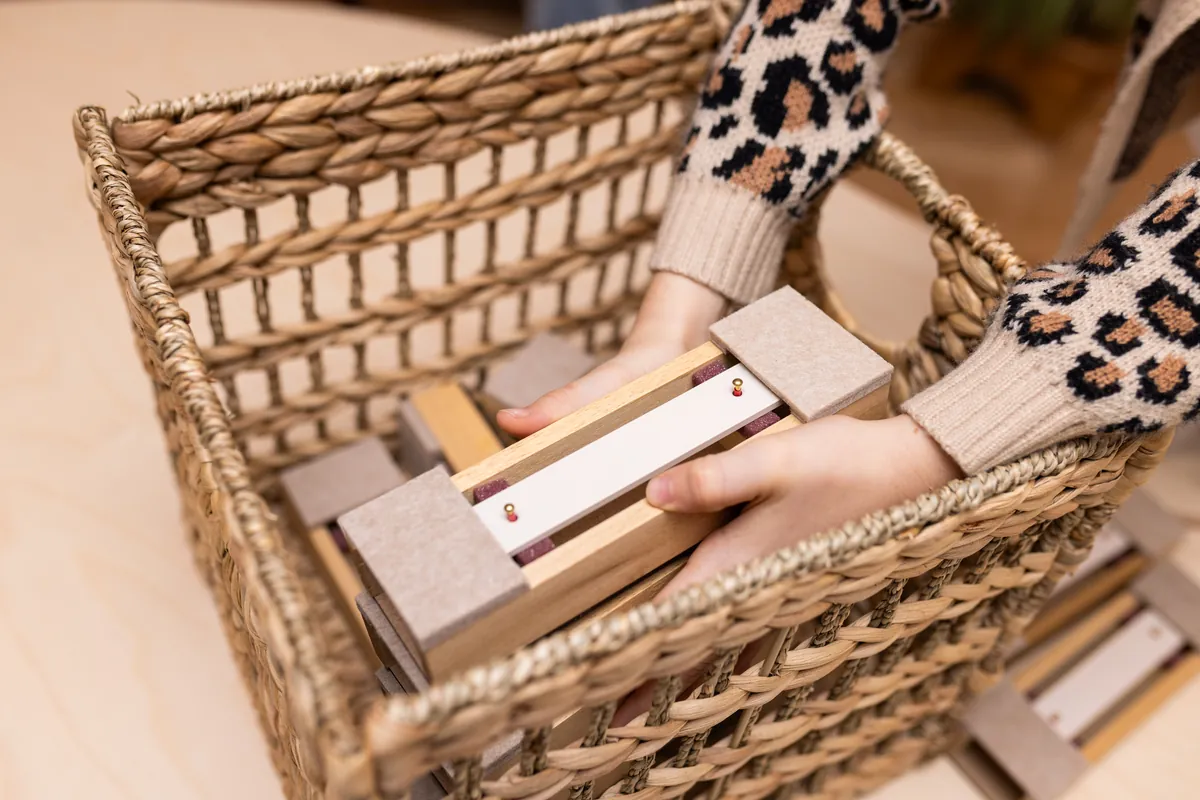
Handcrafted wooden teaching materials, designed so hands understand before words do. The child touches rhythm, sorts sounds, constructs silence.
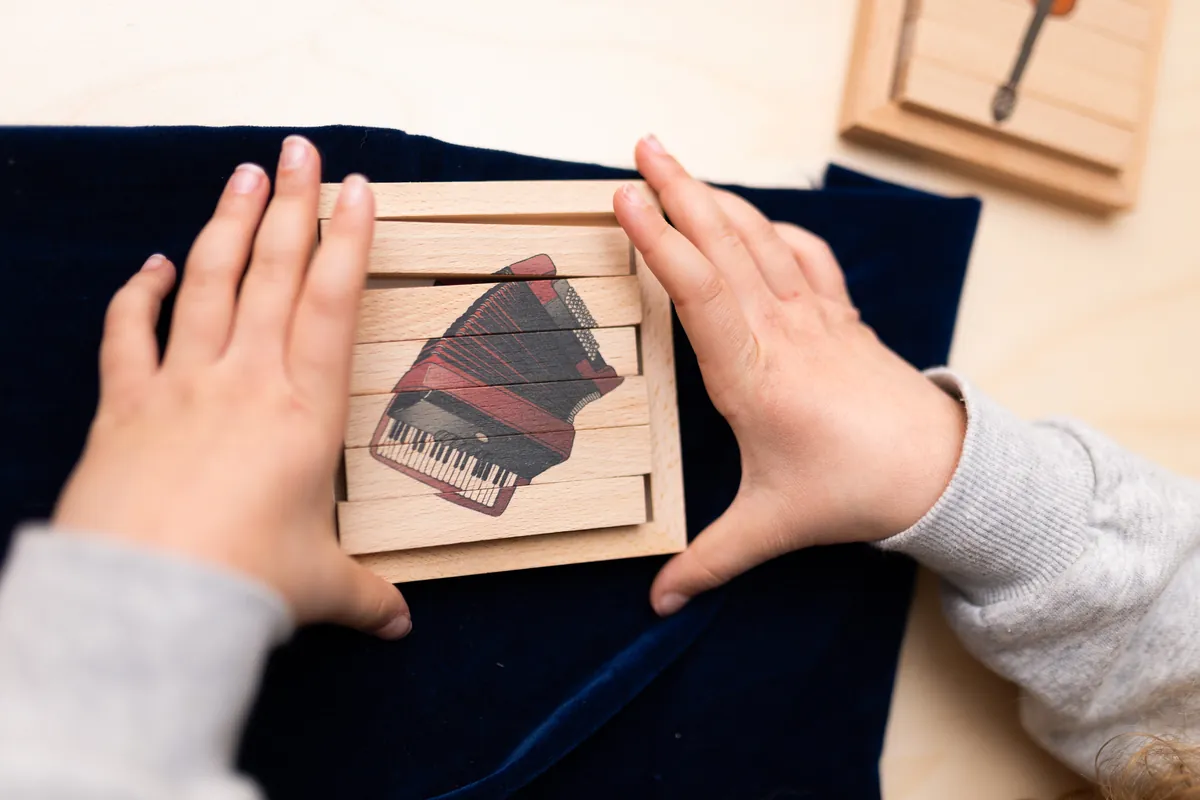
Every session begins in silence. Not an imposed silence — a chosen one. That is where true listening emerges, the kind that precedes music.
Each property of sound becomes a playground.
BEFORE WORDS, hands and ears first.
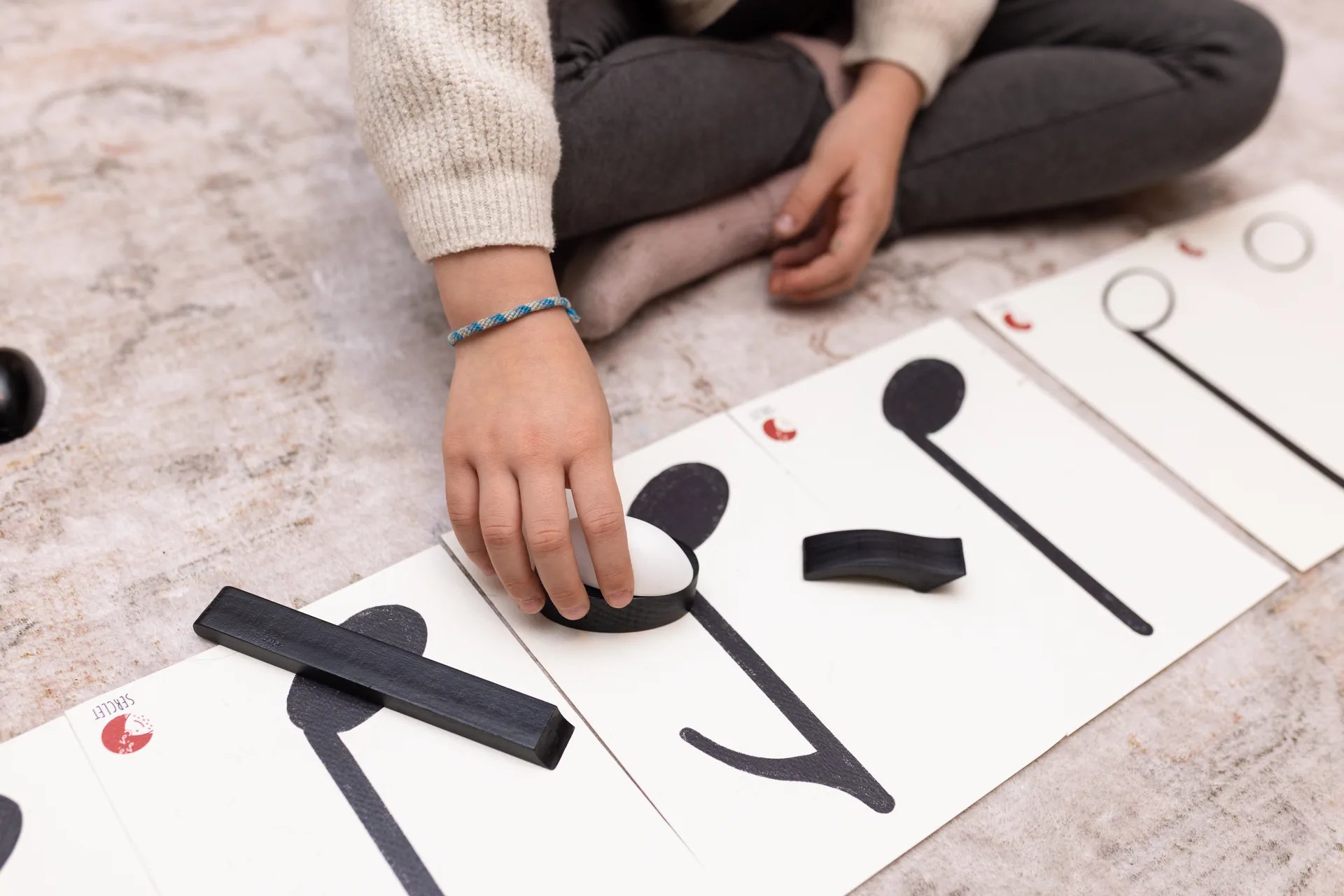
Rhythmic figures — whole, half, quarter, eighth notes — physically manipulated before being read.
Loud, soft, crescendo. Children learn to modulate before they know the Italian terms.
Low, high, the sonic line. The ear is educated through comparison and active discovery.
Recognizing the voice of a violin, piano, or flute. Every instrument is a character.
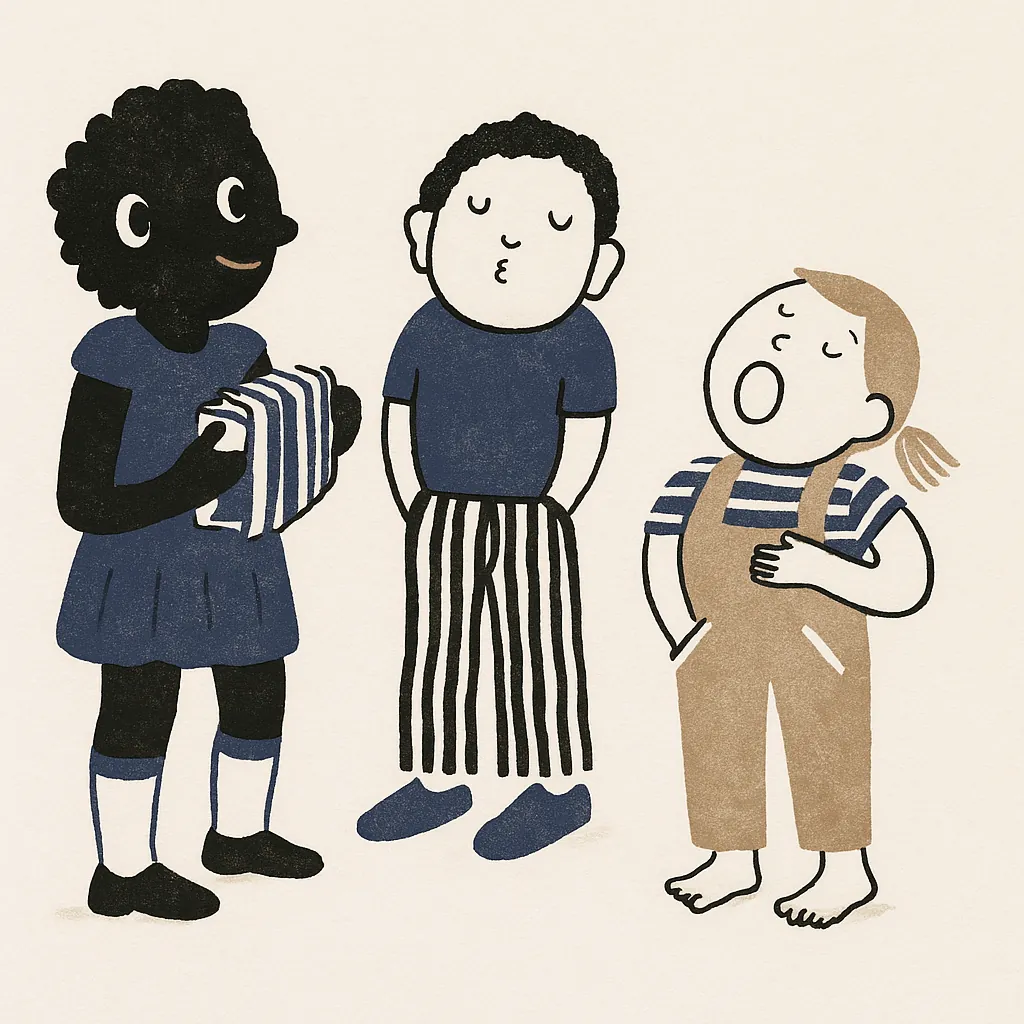
The session begins in calm. A short attention ritual — breathing, silence, presence.
Sound boxes, mysterious materials. The child listens before knowing.
Glockenspiel, voice, storytelling. The child sings, plays and imagines — the ear guides, before reading.
The body encodes what the mind memorizes. Tap, walk, feel the beat.
Musical literacy through touch and sensory experience. The child handles, sorts and builds the language of sound.
Returning to silence, focus and inner harmony. The session closes as it opened — in stillness.
— The Serclet Method
Founded on more than 20 years of pedagogical observation and the latest discoveries in developmental neuroscience.
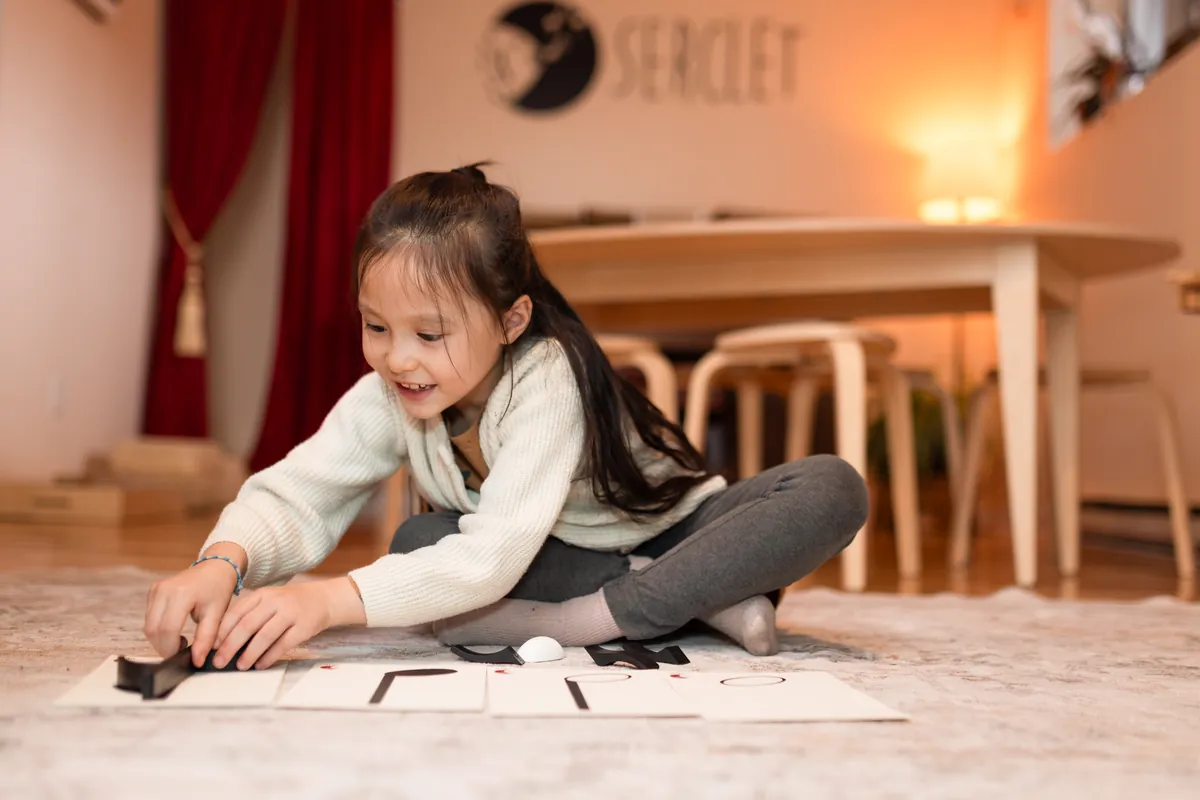
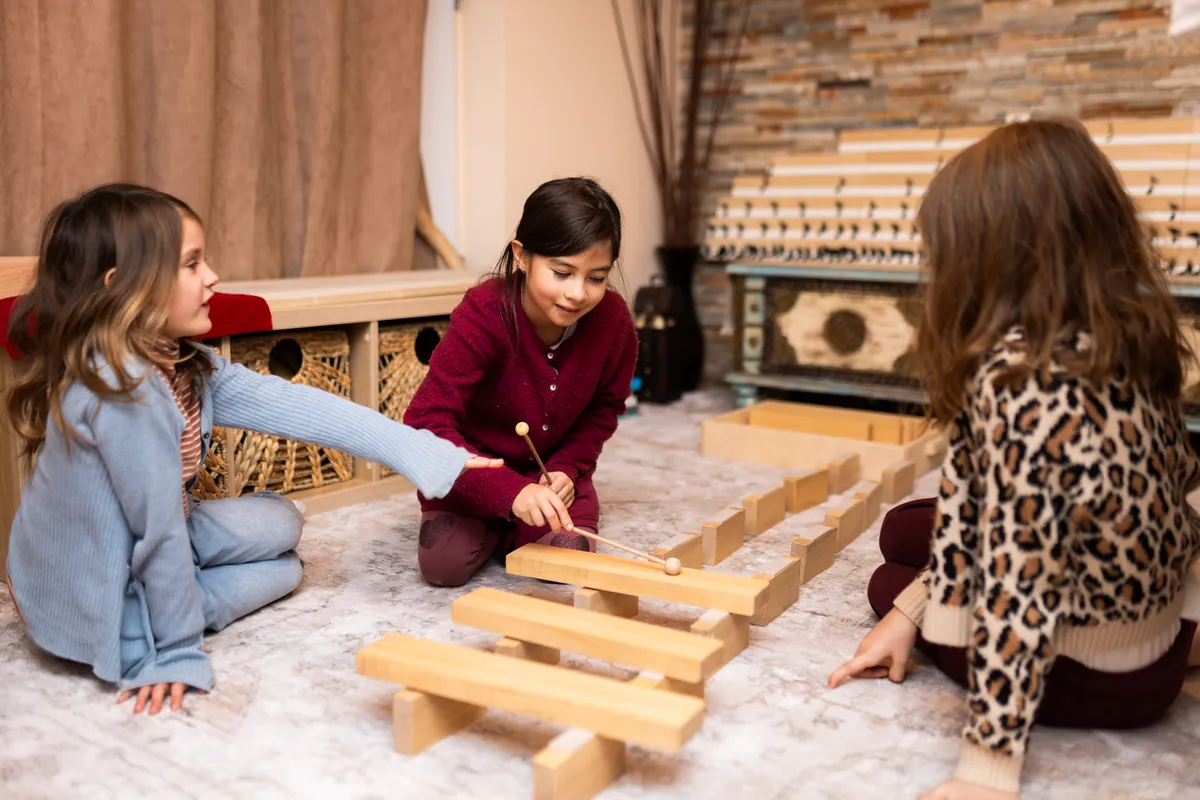
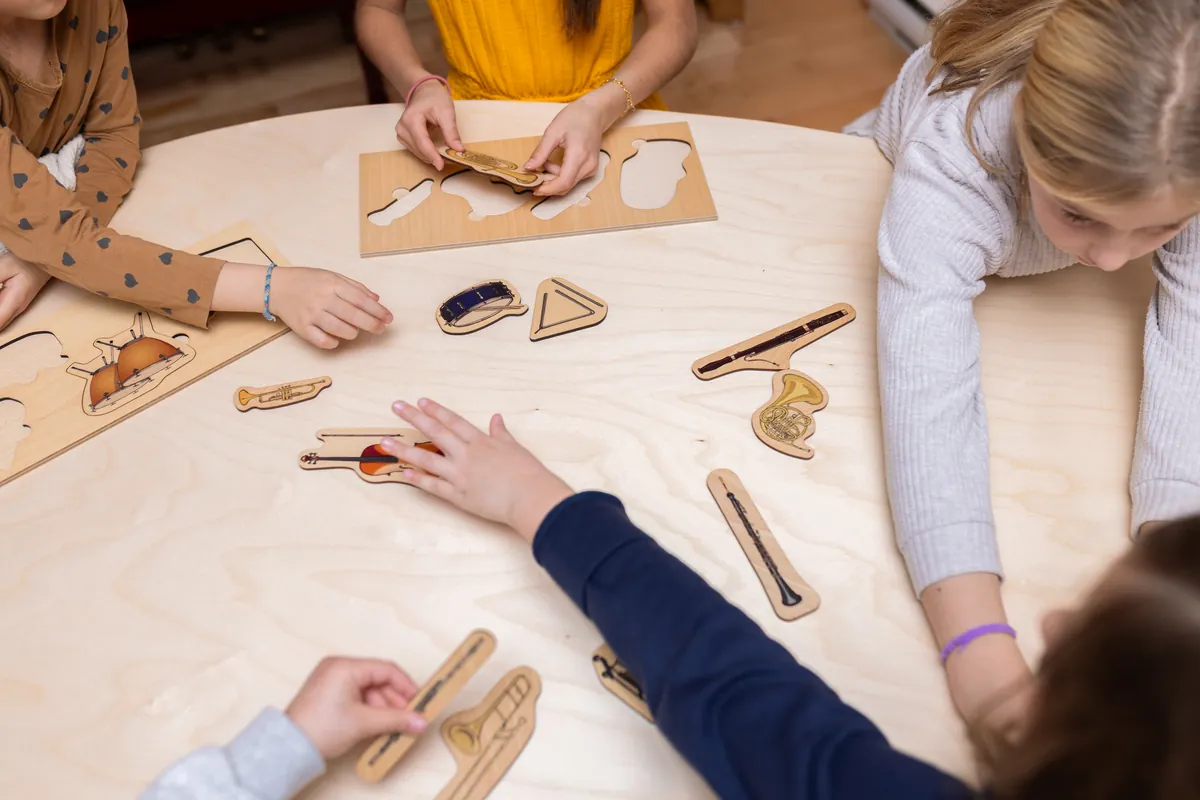
Sensory musical awakening. The child explores sound, rhythm, and silence through handcrafted wooden materials in a group of 8 children maximum. No note reading required. No pressure.
An introduction to piano through listening and play. The child builds a relationship with the instrument before approaching technique — with or without prior experience.
A permanent transatlantic conversation that nourishes and grows the method every day.
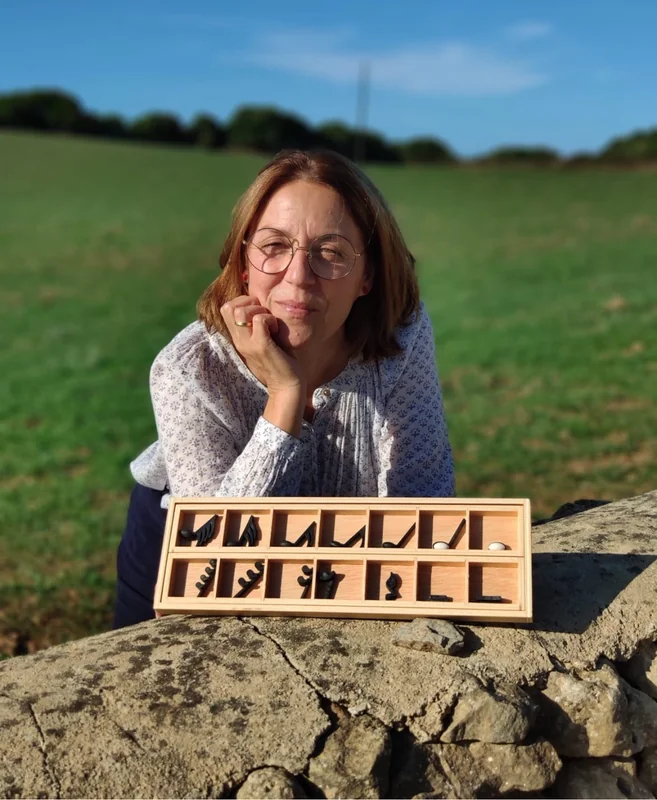
Àngels didn't set out to build a method — she set out to understand what was really happening in her own classroom. As a music teacher in secondary schools since 1997, and later running her own private music classroom, she spent years quietly watching how young children respond to sound, long before anyone hands them a page of notation. What she noticed changed the direction of her career: given the right conditions, even very young children show a remarkable capacity to sense, absorb, and understand music through their senses alone.
Drawing on the work of pedagogues Willems and Dalcroze — and formalizing her training with the Willems International Association — Àngels spent years developing a method of her own, rooted in lived, hands-on experience rather than early abstraction. The clearest expression of that work became her handmade manipulative learning materials, designed specifically to make the abstract, complex world of music approachable for children between the ages of 3 and 9.
In 2019, that body of work became Serclet. Since then, she's brought the method into schools throughout Spain and beyond, trained educators across the country and internationally, and watched Serclet earn recognition for its innovation, including a Connect'Up Grow win backed by CaixaBank and being named a finalist for the EmprendeXXI Illes Balears award.
Visit the Serclet website"Music is learned through an authentic, deep, and legitimate sensory experience."
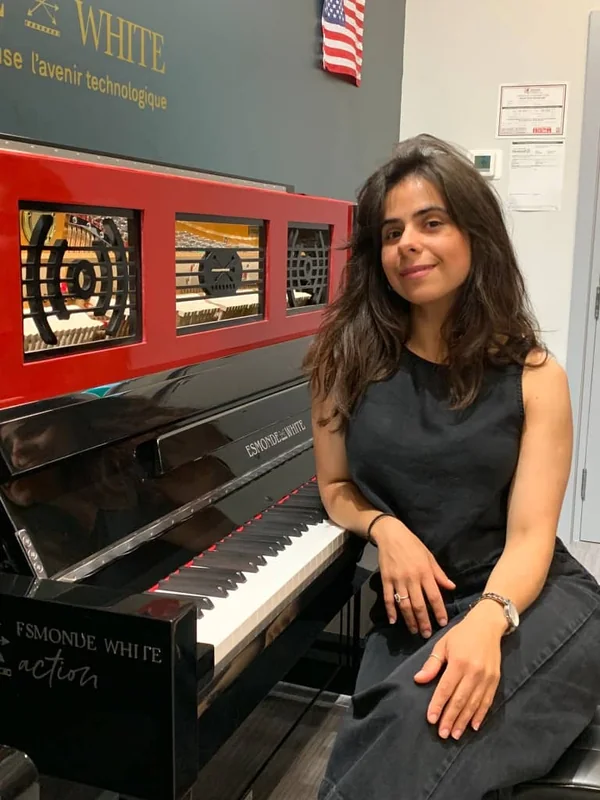
Montreal-based pianist and music educator Ana Gabriela Febles Pérez began her musical studies at the age of seven at the Amadeo Roldán Conservatory, where she received comprehensive training in piano and classical music. Her musical formation extends beyond traditional classical disciplines, encompassing chamber music, choral singing, opera, musical theatre, and ballet, as well as a broad exploration of Pop-Rock, Cuban, and Afro-Cuban musical traditions.
As a pianist and educator, Ana has developed a multidisciplinary approach to music that combines technical rigor with musical expression and a strong sensitivity to the individual development of each student. She currently teaches piano at Lauber Academy in Montreal, working with students of different ages and levels of experience.
Alongside her career as a performer and educator, Ana is developing specialized expertise in piano technology, rebuilding, and restoration through her professional involvement with Piano Esmonde White, a centre dedicated to the development, research, and advancement of piano technology. Under the mentorship of Maestro Oliver Esmonde White, she is developing an in-depth understanding of the piano as both a musical instrument and a complex mechanical and acoustic system. Her training encompasses the craftsmanship, technical precision, and historical knowledge involved in restoring instruments while preserving and enhancing their musical character.
Ana is also a certified educator in the Serclet Method, a child-centered approach to music education rooted in listening, movement, sensory exploration, emotional expression, and musical understanding. She is currently the only trained and certified Serclet educator in Canada and serves as the official representative of Serclet in Canada, where she is responsible for introducing and developing the methodology within the Canadian educational context.
Her work brings together three complementary dimensions of music: performance, education, and the instrument itself — with a particular commitment to creating meaningful and respectful musical experiences from early childhood onward.
"Meeting Àngels and training in the Serclet method was a profoundly eye-opening experience — for me, and for the children I guide."
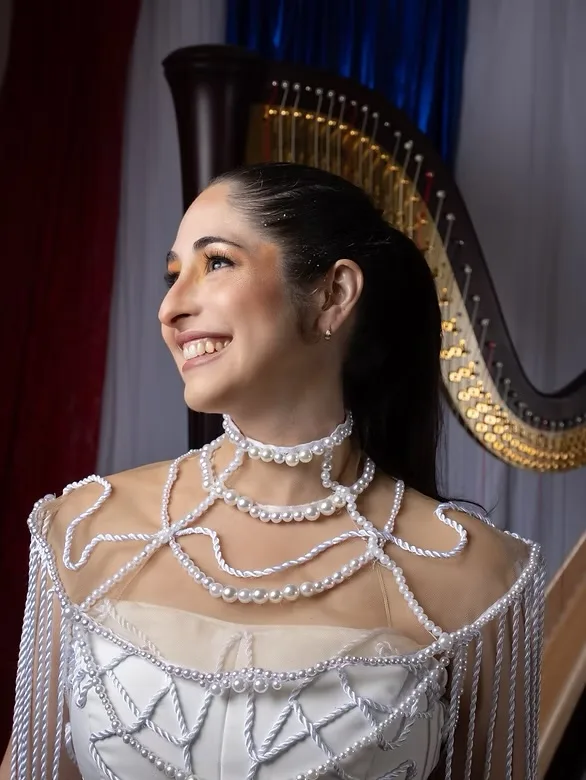
Born in Havana, Cuba, Anabel brings both a musician's depth and a founder's drive to Serclet Florida — a harpist and researcher with a Doctorate in Music, she's spent her career expanding access to music education, including founding a nonprofit that brings harp education and Latin American repertoire to communities across the region, the Asociación Latinoamericana del Arpa. That same passion for making music genuinely accessible is what drew her to the Serclet Method, and what she's brought home to Florida. As a professional harpist, Anabel performs regularly with several orchestras across South Florida.
Visit the Serclet Florida website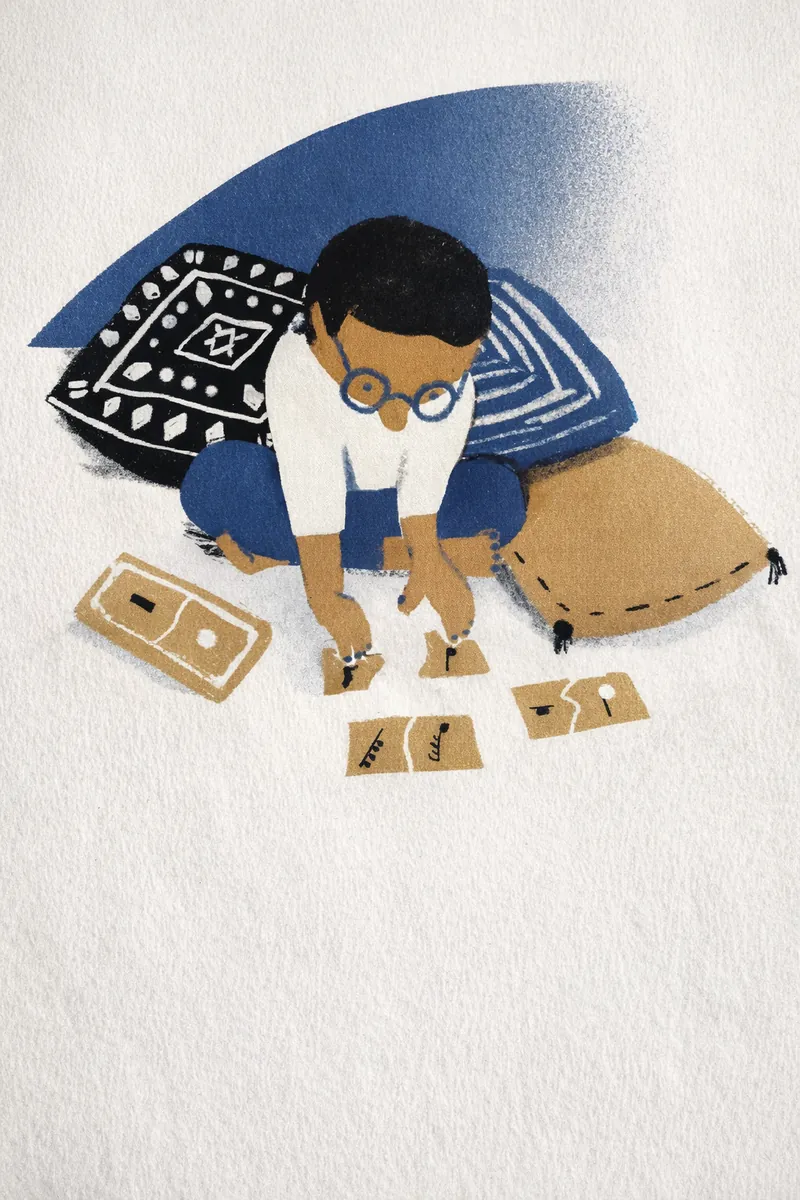
One session. No obligation. Just music.
In Québec and across Francophone Canada · Response within 24h